This project is a bare-metal wireless telemetry system built on STM32 microcontrollers. The edge node samples soil moisture and temperature over I2C, packages the payload, and transmits telemetry over a sub-GHz LoRa RF link to a central gateway hub, which streams real-time diagnostic logs to a workstation terminal via UART.
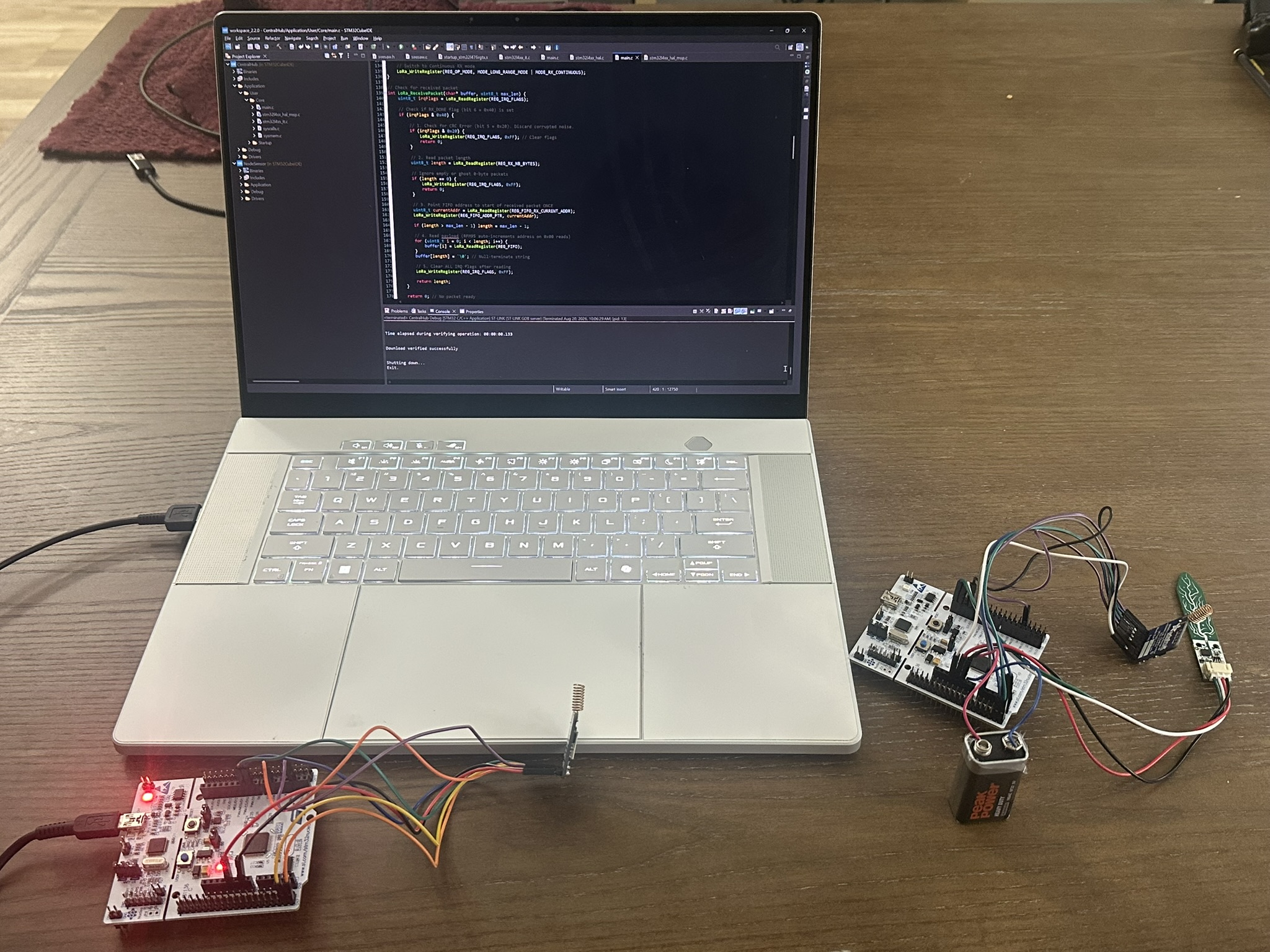
FIG 1.0 — System Overview: Dual STM32 node configuration sampling soil telemetry over I2C and routing sub-GHz payloads over 915MHz LoRa RF to gateway UART log.
Phase 1: Sensor Interfacing & Driver Engineering
Sensor data acquisition is handled through an Adafruit Seesaw coprocessor over I2C on the primary edge node. Developing bare-metal C drivers required extracting 32-bit big-endian register values, handling bitwise byte order reconstruction, and scaling raw capacitive measurements into standard physical units.
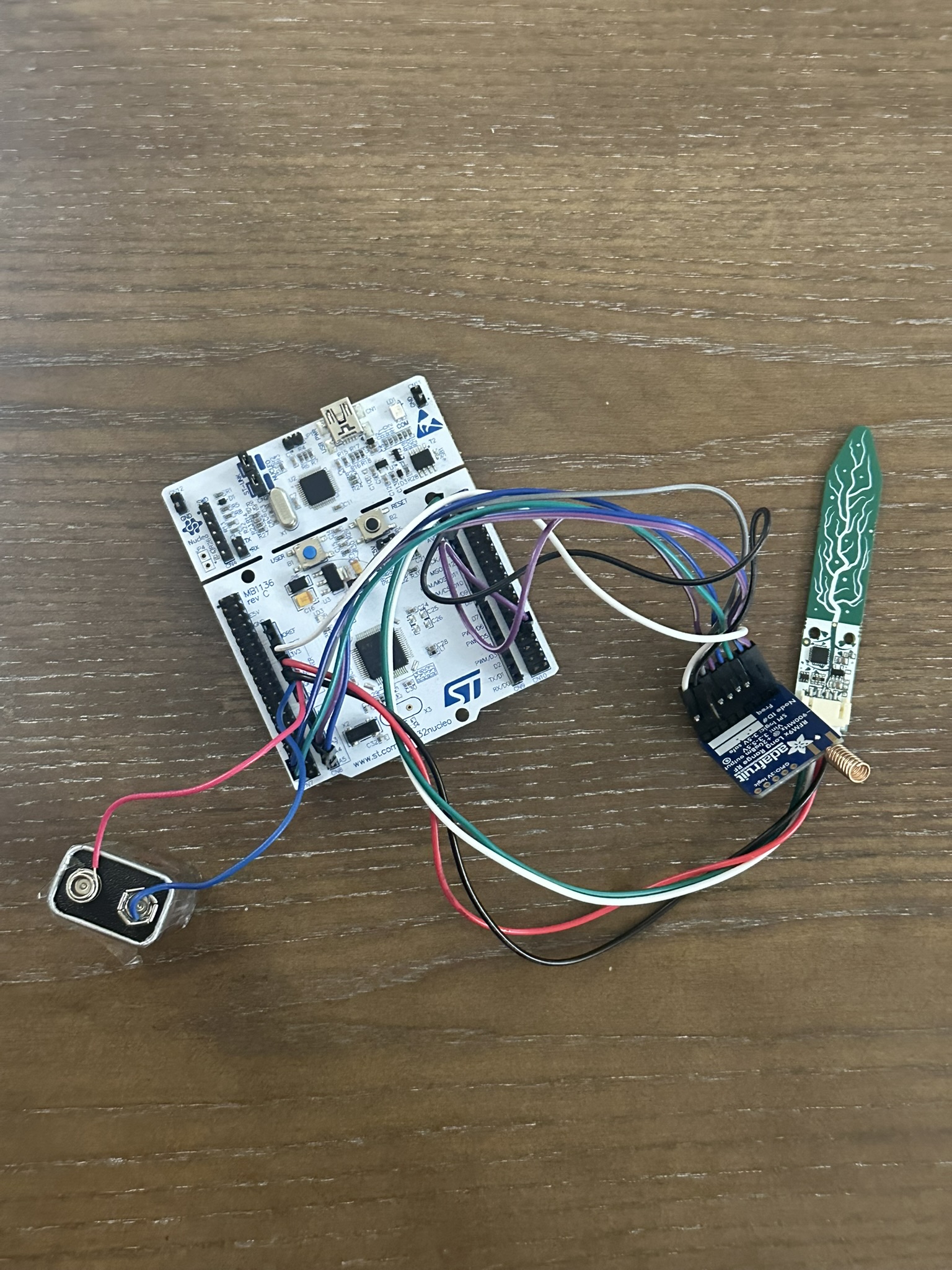
FIG 1.1 — Edge Sensor Node: I2C wiring between the primary STM32 node and the capacitive sensor coprocessor, including pull-up resistor verification and logic probing.
Phase 2: RF Communication & Payload Routing
To extend communications far past short-range limitations, raw telemetry buffers are serialized and passed over high-speed SPI to a 915MHz LoRa transceiver. The receiving central gateway hub captures the sub-GHz payload, unpacks the data string, and streams live diagnostic logs directly over UART to the host workstation console at 115200 Baud.
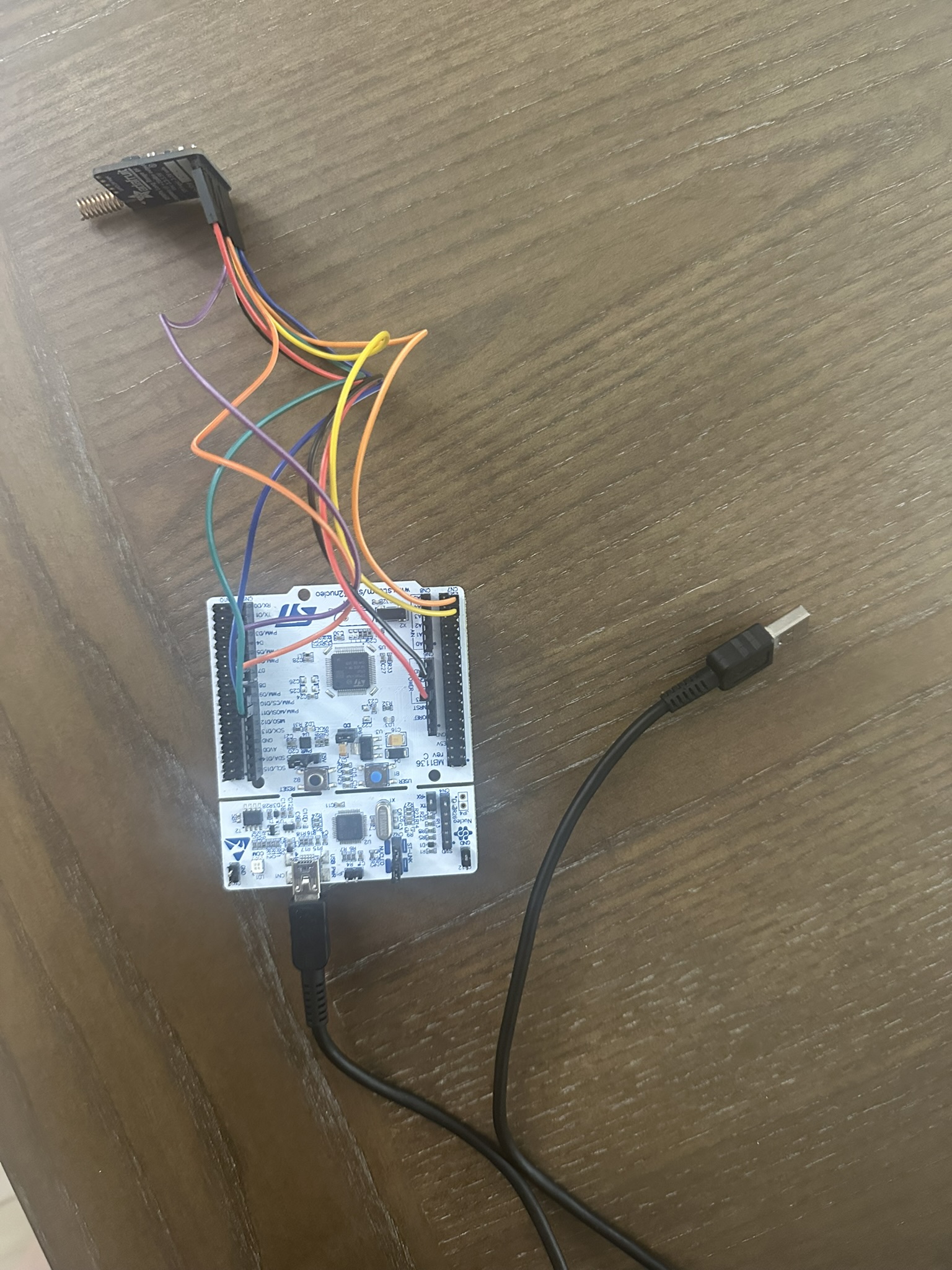
FIG 1.2 — Central Hub Gateway: Receiving node running bare-metal LoRa receiver firmware and UART serial logging setup.
FIG 1.3 — Live Telemetry Stream: Console log updating in real time, demonstrating dynamic capacitance jumps as physical contact with the sensor blade alters the payload on each LoRa pulse.
Phase 3: Hardware Bring-Up & Diagnostics
Hardware testing exposed critical edge cases under real-world bus conditions, including persistent I2C state lockups (`0xFFFF`) caused by uncleared open-drain slave registers and inadequate ADC conversion windows. Resolving these required introducing software reset sequences, optimizing bus timing parameters, and enforcing 20ms delays between write commands and read executions.